
Living with pain that doesn’t go away changes everything. It affects how you work, how you sleep, and how you show up for the people who matter to you. If you’re reading this, you likely already know that chronic pain isn’t just about the physical sensation—it reaches into every corner of your life.
The good news is that while chronic pain may not always have a simple cure, there are real strategies that can help you manage it, reduce its intensity, and reclaim more of your daily life. This guide breaks down what chronic pain actually is, how it affects your brain and body, and practical steps you can take right now and over time to cope more effectively.
At Point Health Clinic, we see patients every week whose chronic pain and stress have contributed to hair thinning. Understanding how to manage pain is often the first step toward feeling better overall—including for your hair health.
Understanding Chronic Pain
Chronic pain is defined as pain lasting longer than three to six months—well beyond the normal healing period for most injuries or illnesses. Unlike acute pain, which serves as a warning signal that something is wrong, chronic pain often persists even after the original cause has healed. Your nervous system essentially stays “on alert,” continuing to send pain signals when there’s no ongoing tissue damage.
Common health conditions that lead to persistent pain include osteoarthritis, fibromyalgia, neuropathy after shingles, post-surgical pain (especially after back surgery), chronic migraines, endometriosis, and rheumatoid arthritis. Sometimes chronic pain develops after an injury, and sometimes it appears without any clear cause at all.
The effects on daily life can be profound and specific:
Working a full shift becomes exhausting when you’re fighting pain the entire time
Driving in Los Angeles traffic can worsen back, neck, or joint pain from prolonged sitting and tension
Caring for children requires physical stamina that chronic pain steals
Maintaining relationships suffers when you’re irritable, exhausted, or have to cancel plans
Many of our patients at PointHealth Clinic come to us after years of stress-related health issues, including chronic pain, that also contribute to hair thinning. The connection between persistent stress on your body and changes in your hair is something we see regularly.
Key points to remember:
Chronic pain lasts 3–6 months or longer
It often continues after the original injury has healed
The central nervous system becomes part of the problem
Effects ripple into work, relationships, sleep, and mood
How Chronic Pain Affects the Brain and Body
When pain continues for months or years, something changes in how your nervous system processes signals. This phenomenon is called central sensitization—essentially, your brain and spinal cord become extra sensitive to pain. Think of it like a volume knob that gets turned up and stuck there.
Here’s a concrete analogy: imagine the LA freeway system during rush hour. Normally, pain signals travel along a few designated routes from the injury site to the brain. But with chronic pain, it’s like every route becomes jammed with too many pain signals, and the brain starts receiving constant traffic alerts even when the roads are actually clear. The system stays congested long after the original “accident” has been resolved.
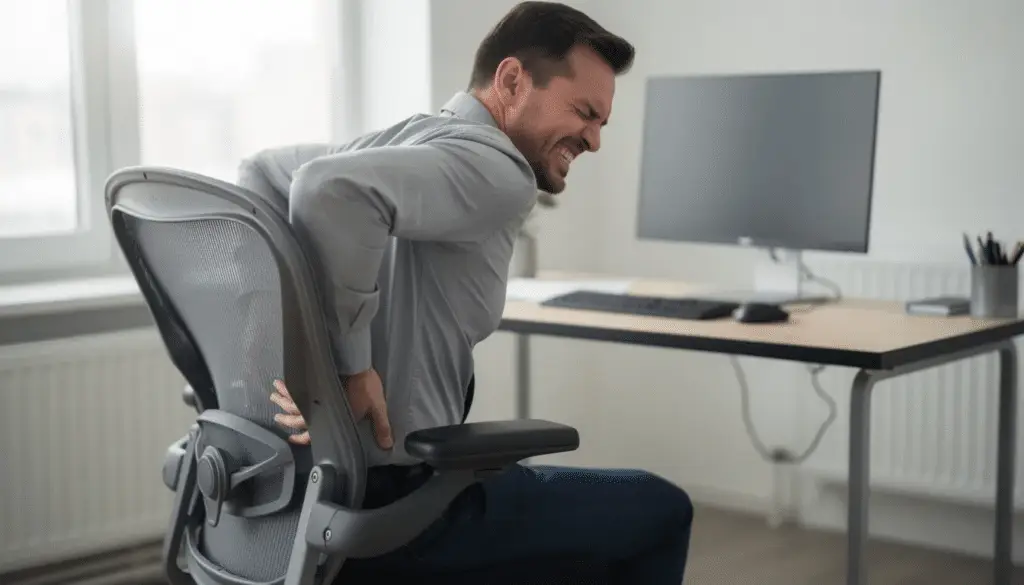
Over time, these changes in the nervous system mean your body can keep blocking pain signals from subsiding even when tissue damage has improved. Your pain level may fluctuate, but the underlying sensitivity remains.
Physical effects of chronic pain include:
Muscle tension that develops from guarding against pain
Persistent fatigue, even after sleep
Sleep problems like difficulty falling asleep or waking frequently
Changes in appetite—eating more or less than usual
Reduced physical activity leading to deconditioning and weakness
Emotional effects are equally significant:
Irritability and a shorter temper with family and friends
Anxiety about whether the pain will ever improve
Depression and feeling depressed about your limitations
A sense of “just existing with pain” rather than fully living your life
Mood swings that affect relationships and work
The combination of physical and mental effects creates a feedback loop: pain makes you feel worse emotionally, and feeling worse can actually make pain more intense. Breaking this cycle is a major goal of effective pain management.
Quick recap:
Central sensitization amplifies pain signals in the brain and spinal cord
The nervous system can stay “on alert” even after healing
Physical symptoms include muscle tension, fatigue, and sleep issues
Emotional symptoms include anxiety, depression, and irritability
Immediate Ways to Cope When Pain Feels Overwhelming
When your pain suddenly spikes or feels unmanageable, you need strategies you can use right now. These techniques won’t cure the underlying condition, but they can turn down the intensity enough to help you think clearly and plan your next steps.
Try slow, deep breathing: Inhale through your nose for a count of four, hold for a count of four, then exhale through your mouth for a count of four. For example, if you’re feeling overwhelmed by pain at work, you can step away for a few minutes and use this breathing technique to help regain your composure. Deep breathing and meditation can help relax your body and may ease pain. Practicing mindfulness and relaxation techniques can also shift the body out of ‘fight or flight’ mode.
Slow, Diaphragmatic Breathing
Inhale slowly through your nose for 4 seconds
Exhale through your mouth for 6–8 seconds
Repeat for 3–5 minutes
This activates your body’s natural relaxation response and can reduce muscle tension
Grounding Exercise (5-4-3-2-1)
When pain makes you feel panicked or disconnected:
Name 5 things you can see around you
Identify 4 things you can physically touch
Notice 3 things you can hear
Find 2 things you can smell
Acknowledge 1 thing you can taste
This technique pulls your attention away from pain and anchors you in the present moment.
Gentle Movement in Place
If it’s safe for you:
Do slow ankle circles while sitting
Roll your shoulders forward and back
Take a brief walk to the kitchen and back
Stretch your arms overhead and relax them down
Movement—even minimal—can help prevent your muscles from seizing up further.
Temperature and Comfort Adjustments
Use a heating pad on low for back or joint pain
Apply a cool pack wrapped in a cloth for migraines or inflammation
Arrange supportive pillows if you need to lie down
Adjust your position every 15–20 minutes
Short Mental Break
Give yourself permission to take 10–15 minutes with:
A favorite podcast or calming music
A low-effort TV show you enjoy
A brief phone call with someone who understands
These coping strategies are about reducing intensity in the moment. They help you feel more in control so you can make better decisions about your care.
When to seek urgent help: If your pain spike comes with sudden weakness, chest pain, shortness of breath, or loss of bladder or bowel control, these are emergency symptoms that require immediate medical care. Don’t try to manage these at home—call 911 or go to the emergency room.
Building a Daily Routine to Manage Chronic Pain
Managing pain effectively is more like training than finding a one-time cure. Consistent daily routines help your body and brain establish patterns that can gradually reduce pain sensitivity and improve your quality of life.
The Value of Consistency
Your body thrives on predictability. When you wake and sleep at similar times, eat regular meals, schedule movement, and plan rest, you give your nervous system fewer surprises to react to. This stability alone can make a difference in how you feel.
Setting Realistic Goals
Don’t aim for what you could do before chronic pain entered your life. Instead:
Start small: Walk around the block once instead of aiming for 10,000 steps
Work in blocks: Sit at the computer for 25–30 minutes, then take a 5-minute stretch break
Celebrate completion: Finishing a realistic goal builds confidence and momentum
Pacing to Avoid the “Boom and Bust” Cycle
One of the most common patterns with chronic pain is doing too much on a good day, then crashing with intense pain the next. This “boom and bust” cycle keeps you stuck.
Instead, try pacing:
Break chores into chunks (fold laundry in two 10-minute sessions instead of 30 minutes at once)
Plan rest breaks before you feel exhausted
Leave tasks unfinished if you’ve hit your time limit—you can return to them later
Keeping a Simple Pain and Activity Log
For 1–2 weeks, track:
Date
Pain level (0–10 scale)
Main activities you did
Medications used
Hours of sleep
This log helps you and your health care team identify patterns—what makes pain worse and what helps.
At PHC, some of our hair restoration patients learn pacing first for their chronic back or joint pain, then apply the same skills to recovery after FUE or FUT procedures. The principle is the same: respect your body’s limits, and healing goes more smoothly.
Lifestyle Strategies: Sleep, Nutrition, and Movement
The way you live each day can dial your pain sensitivity up or down over time. Lifestyle factors such as smoking can worsen chronic pain and increase the risk of complications like heart disease and cancer. Sleep, nutrition, and physical activity are three areas where consistent choices make a real difference.
Sleep
Chronic pain and sleep problems often feed each other. Poor sleep makes pain worse, and pain makes sleep harder. Breaking this cycle requires deliberate effort:
Aim for 7–9 hours per night whenever possible
Keep your bedroom dark, cool (around 65–68°F), and quiet
Avoid screens for 30–60 minutes before bed
Limit caffeine after 2–3 p.m.
Foods and drinks that can disrupt sleep:
Coffee and energy drinks
Dark chocolate (contains caffeine)
Alcohol (may help you fall asleep but disrupts sleep quality)
Very spicy late dinners
Nutrition
What you eat affects inflammation levels throughout your body. An anti-inflammatory approach can support pain management:
Build a balanced plate: lean proteins, vegetables, whole grains, and healthy fats
Include omega-3 rich foods like salmon, olive oil, avocado, and nuts
Drink about 6–8 glasses of water daily unless medically restricted
Limit high-sugar, highly processed foods that can worsen inflammation and cause energy crashes

Movement and Exercise
Complete rest usually makes chronic pain worse over the long term. Your muscles weaken, joints stiffen, and pain sensitivity can increase. The key is finding movement that works for your body:
Start with 5–10 minutes of walking, gentle stretching, or stationary cycling
Try water aerobics if land-based exercise is too painful
Aim for 3–4 sessions per week initially
Consult a physical therapist or physician if you have severe arthritis, spinal issues, heart disease, or certain health conditions. Individuals with certain health conditions, such as diabetic neuropathy, should consult with a healthcare professional to determine appropriate activities that are safe and effective for managing chronic pain.
Biofeedback and hypnosis can also help you gain control over bodily functions and pain perception, and may be used alongside movement and exercise.
The hair health connection: Chronic uncontrolled stress, poor sleep, and poor nutrition may contribute to hair shedding (telogen effluvium) and slower regrowth. At PointHealth Clinic, we commonly see patients whose hair loss coincided with periods of poorly managed chronic pain.
Lifestyle recap:
Prioritize consistent sleep schedules and sleep hygiene
Choose anti-inflammatory foods and stay hydrated
Stay active within your limits—movement helps, rest worsens
Address all three areas for the best results
Medical Treatment, Mental Health, and Support
Chronic pain usually responds best to a multimodal approach—combining different types of treatment rather than relying on a single pill or procedure. Building the right health care team is essential. It’s important to talk openly with your healthcare providers and support networks about your pain and treatment options to ensure you receive the best possible care.
Organizations such as the U.S. Pain Foundation and the American Chronic Pain Association offer resources and support for individuals dealing with chronic pain.
Medical Care Options
Your doctor may recommend various treatments depending on your condition:
Over the counter pain relievers like acetaminophen or ibuprofen for mild-to-moderate pain
Prescription medications including muscle relaxants, nerve pain medicine, or in some cases opioids for severe pain
Nerve blocks and injections to reduce inflammation or interrupt pain signals
Physical therapy to improve strength, flexibility, and function
Occupational therapy to adapt daily tasks to your limitations
Surgery in select cases where structural problems can be corrected
Important: Take medications exactly as prescribed. Always check with your doctor before adding over-the-counter drugs or supplements to avoid interactions.
Mental Health Support
Working with a mental health professional can change how your brain processes pain signals. This isn’t about the pain being “in your head”—it’s about using your brain’s plasticity to reduce suffering.
Cognitive behavioral therapy (CBT) helps identify and change thought patterns that make pain feel worse
Psychological therapies can address anxiety, depression, and trauma that often accompany chronic pain
Trauma-informed care is particularly valuable if your pain began after an accident or difficult life event
Look for a psychologist or counselor familiar with chronic pain conditions.
Mind–Body Therapies
These relaxation techniques can complement medical treatment:
Mindfulness meditation (apps like Calm or Headspace offer guided sessions)
Progressive muscle relaxation to release muscle tension
Gentle yoga or tai chi for movement with awareness
Biofeedback to learn control over physical stress responses
Many of these can be learned through classes, apps, or referrals from your provider.
Building Your Support System
Chronic pain can be isolating. Involving others helps:
Bring family members or friends to medical appointments so they understand your condition
Join support groups (online or local) to connect with others who understand
Communicate honestly with loved ones about your limitations—they can’t help if they don’t know
Find support through organizations focused on your specific condition

At PointHealth, we routinely coordinate with patients’ existing healthcare teams to time hair restoration procedures around pain flares and other ongoing treatments. Communication between providers leads to better outcomes.
Chronic Pain, Stress, and Hair Loss: Our Perspective at PointHealth Clinic
Long-term pain and stress affect more than just how you feel. They can impact your body’s hormones and immune system, sometimes triggering or worsening certain types of hair loss. When your body is constantly in a stress response, resources get diverted away from “non-essential” functions like hair growth.
What We Hear From Patients
At our Redondo Beach clinic, we regularly see patients whose hair changes coincided with chronic pain:
Hair thinning after a major surgery or injury in recent years
Increased shedding during long periods of uncontrolled back or neck pain
Concerns that chronic pain medications might be contributing to hair issues
While some medications can affect hair, often the underlying illness or prolonged stress is the main factor. A careful review during your consultation helps us understand what’s really going on.
Our Approach for Patients With Chronic Pain
We adapt our hair restoration process for patients managing pain:
Thorough medical history and medication review during your free consultation
Adjusting procedure length and positioning for FUE or FUT to reduce back or joint strain
Offering less invasive options like low-level laser therapy, stem cell-based regenerative treatments, or scalp micropigmentation for patients who aren’t ready for surgery
Coordinating timing with your other treatments and expected pain flares
Chronic pain does not automatically disqualify you from hair restoration. Success often depends on stabilizing your health, pacing your recovery, and setting realistic expectations. We work with you to develop a plan that respects your body’s current limitations while still helping you achieve natural-looking results.
Planning for Pain Flares and Looking Ahead
Even with excellent management, flares happen. Having a written plan ready helps you respond quickly instead of scrambling when pain spikes.
Create Your Flare Plan
Prepare in advance:
Steps to reduce activity and rest without completely stopping movement (gentle stretching, short walks if possible)
Pre-approved medication adjustments (only if already discussed with your doctor)
Comfort tools ready at home: heating pad, cold pack, supportive cushion, relaxation audio or playlists
Contact information for your health care team if you need guidance
Track Warning Signs
Learn to recognize your early warning signs of a flare:
Rising pain scores over 2–3 days
Poor sleep for several nights in a row
Increased stress at work or home
Other symptoms like fatigue or muscle tension increasing
Acting early—before the flare peaks—often means a shorter and less intense episode.
Know When It’s Not a Typical Flare
Some symptoms require urgent medical care and shouldn’t be managed at home:
Sudden chest pain or shortness of breath
New weakness in arms or legs
Loss of bladder or bowel control
Pain that feels completely different from your usual pattern
When in doubt, contact your doctor or go to the emergency room.
A Realistic Path Forward
Many people with chronic pain never become completely pain-free. But that doesn’t mean your life has to revolve around pain. With consistent effort, you can:
Reduce pain intensity and frequency of flares
Reclaim activities that matter to you
Improve your sleep, mood, and relationships
Feel more in control of your body and your life
Over months and years, even small changes in sleep, movement, stress management, and treatment adherence add up. The person you are today—learning, adapting, refusing to give up—is already making progress.