
Postpartum depression is one of the most common — and most misunderstood — mental health conditions affecting new mothers. While many people expect joy after giving birth, the postpartum period can bring overwhelming emotional changes that go far beyond the “baby blues.”
Perinatal depression is a broader category that includes both depression during pregnancy and postpartum depression, encompassing a range of mood disorders that can significantly impact both the parent and child.
At PointHealth Clinic, we support maternal mental health with evidence-based care, including ketamine** therapy for postpartum depression**, integrated with psychotherapy, psychiatric oversight, and long-term support.
Depression screening is a crucial part of early detection and intervention, and healthcare professionals—including doctors, nurses, and mental health providers—play a key role in identifying and supporting those at risk. Screening for postpartum depression is critical as up to 50% of cases go undiagnosed in the US. Certain populations are at higher risk for developing postpartum depression, making it especially important to identify women who may be vulnerable due to demographic, cultural, or psychosocial factors.
This guide explains what postpartum depression is, how it is diagnosed, how long it lasts, and how both traditional and emerging treatments — including ketamine — may help when symptoms are severe or persistent.
Effective recognition and management of perinatal depression are essential for optimizing the health outcomes of the parent and infant.
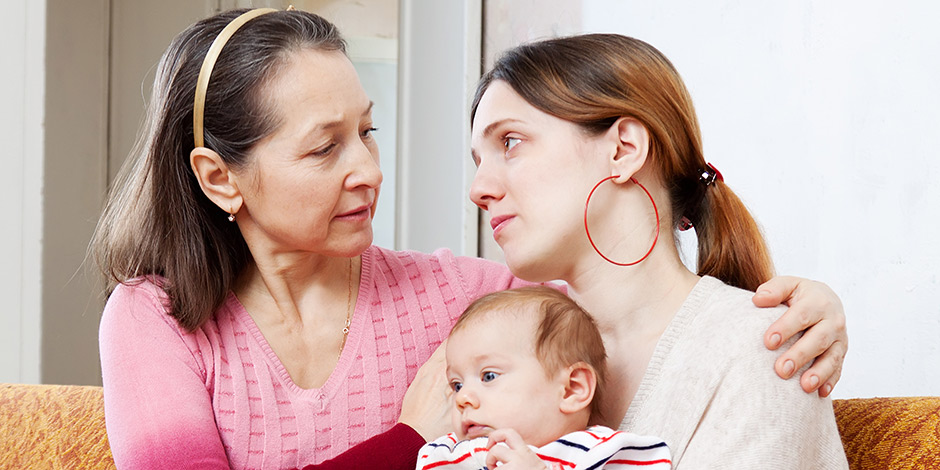
What Does PPD Stand For?
PPD stands for post partum depression, a mood disorder that can occur after giving birth. Post partum depression is distinct from postpartum baby blues, which are a milder, self-limited mood disturbance. Post partum depression is characterized by persistent sadness, anxiety, emotional numbness, and difficulty functioning in daily life.
Postpartum baby blues typically begin within the first 2 to 3 days after delivery and may last for up to two weeks. Post partum depression is a more severe condition than baby blues and can last for months or even longer if untreated. Postpartum blues affect between 50% and 75% of women after delivery, while post partum depression affects about 1 in 7 new mothers.
What Is a PPD Disorder?
Postpartum depression is classified as a depressive disorder associated with the perinatal period. It can affect birth mothers, adoptive parents, and even partners. Clinically, it involves symptoms severe enough to interfere with maternal functioning, bonding, and overall mental health.
Postpartum depression is part of the broader category of perinatal depression, which includes mood disorders occurring during pregnancy and after childbirth.
Postpartum depressive symptoms may include severe mood swings, irritability, fatigue, feelings of guilt or inadequacy, and an inability to care for oneself or the baby.
Other symptoms may overlap with related mood disorders, such as postpartum psychosis or childbirth-related PTSD, making accurate diagnosis and treatment essential.
If untreated, postpartum depression can last for months or longer and may impact both the parent and child.
What Is PPD in Medical Terms?
In medical terminology, postpartum depression is a major depressive episode that occurs during the postpartum period. It is recognized in the Diagnostic and Statistical Manual of Mental Disorders (DSM) and may overlap with other mood disorders, including major depression and bipolar disorder.
Diagnosis often involves the use of a depression screening questionnaire, such as the Edinburgh Postnatal Depression Scale (EPDS), which is a standardized self-reported tool used to identify women who have postpartum depression.
What Are the Three Types of Postpartum Mood Disorders?

These three disorders fall under the broader category of perinatal depression, which includes a spectrum of mood disorders occurring during pregnancy and after childbirth.
There are three primary postpartum mood disorders, each with different severity levels:
Postpartum blues: The most common and mildest form, often resolving on its own within two weeks.
Postpartum depression: More severe than the blues, requiring clinical attention and treatment.
Postpartum psychosis: A rare but severe condition that usually develops within the first week after delivery. It occurs in about 1 to 2 per 1,000 deliveries and is considered a psychiatric emergency requiring immediate medical attention and treatment due to the risk of harm to the mother or baby.
Postpartum Blues (Baby Blues)
Affects up to 75% of new mothers
Begins 2–3 days after delivery
Includes mood swings, crying, anxiety, and trouble sleeping
Resolves within two weeks
Postpartum Depression
Affects about 1 in 7 postpartum women
Symptoms persist beyond two weeks
The symptoms of postpartum depression include extreme sadness, mood swings, sleep disturbances, feelings of guilt, fatigue, and trouble bonding with the baby.
The onset of postpartum depression can occur anytime within the first year after childbirth, often beginning within the first few weeks.
Postpartum Psychosis
Rare (1–2 per 1,000 births)
Psychiatric emergency
Includes paranoia, hallucinations, delusions, and confusion
Requires immediate treatment
What Are the 4 Stages of Postpartum Depression?
While not formally staged in diagnostic manuals, postpartum depression often progresses through identifiable phases:
Emotional Overwhelm – persistent sadness, anxiety, mood swings
Functional Decline – trouble sleeping, eating difficulties, inability to cope
Disconnection – difficulty bonding, emotional numbness, withdrawal
Crisis Stage – severe depressive symptoms, suicidal ideation, or thoughts of harm
Certain risk factors, such as a history of mental health issues, lack of social support, or socioeconomic challenges, can increase the likelihood that a woman will develop postpartum depression.
Early recognition and intervention are critical to prevent progression.
How Do I Know If I Have Postpartum Depression?
Many healthcare providers use the Edinburgh Postnatal Depression Scale, a standardized depression screening questionnaire used to screen for postpartum depression.
A score of 13 or higher suggests increased risk
Screening is recommended during pregnancy and postpartum checkups
Up to 50% of cases go undiagnosed without screening
The American College of Obstetricians and Gynecologists recommends screening every patient for perinatal depression using the EPDS. A score of 13 or more on the EPDS is associated with an increased risk of developing postpartum depression and should prompt further clinical assessment.
If symptoms persist longer than two weeks or worsen, evaluation by a mental health professional is essential.
How Long Does Postpartum Depression Last?
Postpartum depression can last:
Several weeks
Several months
Or longer if left untreated
Children of mothers with untreated postpartum depression may experience language development delays and sleeping problems. Postpartum depression is associated with increased risks of behavioral and emotional problems in children, including attention-deficit/hyperactivity disorder and other behavioral problems. Children of parents with untreated postpartum depression can develop psychiatric and medical conditions in adolescence.
With appropriate care, most individuals experience meaningful improvement. Untreated postpartum depression is associated with long-term risks for both maternal mental health and child development.
How to Deal With Postpartum Depression
Managing postpartum depression often requires a multi-layered approach, including:
Mental health support
Talk therapy (CBT or interpersonal therapy)
Support groups
Medication when appropriate
Sleep stabilization and lifestyle adjustments
Comprehensive postpartum care is essential, encompassing mental health support, regular follow-up, and screening to ensure the mother’s well-being during the postpartum period. Educational interventions can help women struggling with postpartum depression to cultivate coping strategies and develop resiliency. Peer support programs have also been identified as effective for women experiencing symptoms of postpartum depression. Ketamine therapy is most effective when integrated into a comprehensive care plan that includes ongoing psychotherapy, social support, and lifestyle adjustments.
For moderate to severe cases, immediate treatment is critical to reduce risks to both parent and child.
What Is the 5-5-5 Rule Postpartum?
The 5-5-5 rule is a postpartum recovery guideline, not a treatment for depression, but it supports emotional healing:
5 days in bed
5 days on the bed
5 days around the bed
This framework emphasizes rest, reduced stimulation, and recovery during the early postpartum period.
What Are the Risk Factors for Postpartum Depression?
Risk factors include:
Personal or family history of depression
Bipolar disorder or other mood disorders
Traumatic childbirth
Sleep deprivation
Lack of social support
Intimate partner violence
Financial stress
Gestational diabetes
Prior postpartum depression
Women with a history of anxiety disorders are at higher risk for postpartum depression. Financial struggles are associated with a higher risk of postpartum depression. Hormonal changes, including the return of hormone levels such as estradiol, progesterone, and serotonin to pre pregnancy levels, may contribute to the risk. A family history of psychiatric disorders increases the risk of postpartum depression. Experiencing traumatic childbirth can increase the risk of postpartum depression. Women who have had postpartum depression in previous pregnancies are at a higher risk for future episodes.
Fathers and partners can also experience paternal postpartum depression, which may similarly affect child development.
Why Untreated Postpartum Depression Is Serious
Untreated postpartum depression can:
Interfere with maternal-infant bonding
Increase risk of behavioral and emotional problems in children
Lead to language delays and sleep problems
Affect cognitive and emotional development
Strain family relationships
Increase suicide risk
Early treatment improves outcomes for both parent and child.
Perinatal Mental Health: Beyond the Postpartum Period
Perinatal mental health refers to the emotional and psychological well-being of individuals during pregnancy and throughout the first year after giving birth. While postpartum depression is a significant concern, it is just one of several mental health conditions that can arise during the perinatal period. Both mothers and other caregivers—including fathers and partners—can experience challenges such as postnatal depression, postpartum psychosis, and symptoms related to bipolar disorder.
Screening tools like the Edinburgh Postnatal Depression Scale are essential for identifying those at risk of postpartum depression, but it’s important to recognize that anxiety, mood disorders, and other mental health conditions may also develop. Risk factors such as a family history of depression, previous mental health conditions, and stressful life events can increase the likelihood of experiencing perinatal mental health issues. Comprehensive perinatal care should include regular mental health screening, early diagnosis, and access to effective treatment and support resources for all individuals involved in the postpartum period. By addressing a wide range of mental health needs, we can better support families and promote lasting well-being after giving birth.
Managing Postpartum Anxiety
Postpartum anxiety is a common but often overlooked condition that can affect new mothers during the postpartum period. Unlike postpartum depression, which is characterized by persistent sadness and loss of interest, postpartum anxiety involves intense worry, fear, and nervousness that can interfere with daily life. Symptoms may include severe mood swings, trouble sleeping, racing thoughts, and difficulty bonding with the baby.
Although the Diagnostic and Statistical Manual recognizes postpartum depression as a distinct diagnosis, postpartum anxiety is not specifically listed, even though anxiety symptoms frequently accompany depressive episodes. Effective treatment for postpartum anxiety often includes talk therapy, such as cognitive-behavioral therapy (CBT) or interpersonal therapy, which can help manage symptoms and improve maternal mental health.
In some cases, medication may be recommended to address more severe symptoms. Support groups and online communities can also provide valuable encouragement and practical advice for those experiencing postpartum anxiety. If you notice ongoing mood swings, trouble sleeping, or persistent worry after giving birth, reaching out to a mental health professional can make a significant difference in your recovery and overall well-being.
Traditional Treatments for Postpartum Depression
Standard treatment options include:
Antidepressant treatment, with selective serotonin reuptake inhibitors (SSRIs) as the first choice medications for postpartum depression
Tricyclic antidepressants as alternative options when first-line medications are ineffective or not tolerated
Brexanolone and zuranolone, both medications approved for postpartum depression
Esketamine (Spravato nasal spray), which is FDA-approved for treatment-resistant depression but not specifically for PPD as of 2025
Psychotherapy (first-line for mild to moderate cases), including cognitive behavioral therapy (CBT) and interpersonal therapy (IPT), which are effective counseling methods for preventing postpartum depression in high-risk women
Transcranial magnetic stimulation (TMS), a noninvasive procedure that may be used for patients with postpartum depression who do not respond to antidepressants
Electroconvulsive therapy (ECT) for severe, resistant cases
Ketamine Therapy for Postpartum Depression
Ketamine therapy is an emerging option for postpartum depression, particularly when symptoms are severe, treatment-resistant, or require rapid relief.
Ketamine works on the brain’s glutamate system, enhancing neuroplasticity and helping repair neural pathways involved in mood regulation.
At PointHealth Clinic, ketamine therapy is offered only after careful evaluation and is integrated into a comprehensive mental health plan.
Important Safety Considerations for Ketamine Therapy
Ketamine therapy may not be appropriate for individuals with:
Uncontrolled high blood pressure
Unstable heart disease
History of psychosis
Active substance use disorder
Treatment is administered in a controlled clinical setting, with monitoring during and after sessions.
Common short-term side effects may include:
Dizziness
Sedation
Mild dissociation
Blurred vision
Temporary blood pressure changes
Ketamine Therapy and Breastfeeding
Research suggests that ketamine appears in breast milk at very low levels, with a relative infant dose of less than 1%, well below the 10% safety threshold. However:
Data remains limited
Many providers recommend pump-and-dump for 6–12 hours post-treatment
Decisions should be made in consultation with a psychiatrist or healthcare provider
Empowering Postpartum Women: Building Confidence and Resilience
Empowering postpartum women is essential for fostering confidence and resilience as they navigate the challenges of new motherhood and potential mental health conditions like postpartum depression and postpartum anxiety. A strong support network—including family, friends, and healthcare providers—can make a meaningful difference in a woman’s ability to manage symptoms and prioritize her mental health.
Education and open conversations about postpartum depression, anxiety, and other mental health conditions help reduce stigma and encourage women to seek help when needed. Support groups, both in-person and online, offer a safe space to share experiences and learn coping strategies. Encouraging self-care practices such as regular exercise, balanced nutrition, and stress management can also support recovery and resilience.
Addressing broader societal and cultural factors, such as intimate partner violence, lack of social support, and unrealistic expectations of motherhood, is equally important in empowering postpartum women. By promoting awareness, providing access to mental health professionals, and fostering a culture of support, we can help postpartum women build the confidence and resilience needed to thrive during the perinatal period and beyond.
Support Resources for Postpartum Depression
Support systems play a critical role in recovery. Helpful resources include:
Postpartum Support International – 24/7 hotline and support groups
Licensed therapists and group therapy
Peer support programs
Community perinatal mental health teams
LactMed database for medication safety during breastfeeding
Final Thoughts: Hope and Healing After Postpartum Depression
Postpartum depression is common, real, and treatable. Whether symptoms are mild or severe, help is available — and early intervention can protect both maternal mental health and child development.
At PointHealth Clinic, we provide compassionate, individualized care for postpartum women, including ketamine therapy when clinically appropriate, alongside psychotherapy and psychiatric support.
If you or a loved one is experiencing postpartum depression, seeking treatment is not a failure — it is an act of care for yourself and your family.